Customer Master Data Management as a service

Customer Master Data Management (CMDM) as a service represents a contemporary approach to data management that enables organizations to streamline and centralize their customer data across different platforms for the using of different departments.
Such a service is particularly needed in today’s data-driven businesses, where the ability to access accurate, consistent, and up-to-date diverse customer information elements, is essential for delivering personalized experiences and making informed business decisions.
The Importance of CMDM
By leveraging cloud-based solutions, businesses can ensure that customer information and customer data profiles in particular, are not only accurate but also readily accessible from wherever they are needed. The centralization of customer profile data is essential for several reasons:
- Enhanced Data Quality: A centralized customer MDM helps to eliminate profile redundancy and potential inconsistencies and inaccuracies in customer data profiles. This then ensures that every department works with the same reliable information.
- Improved Customer Engagement: With a unified view of the customer data profile, an organization can tailor engagement, interactions and offerings, leading to enhanced customer satisfaction and loyalty.
- Informed Decision-Making: Access to accurate customer profile data allows an organization to make better strategic decisions based on potentially more comprehensive views of the customer and supplement the same, with additional insights into customer current and past behaviors and preferences.
CMDM as a service not only reduces the complexity and cost associated with managing customer data in-house but also enhances data security and compliance with various privacy and consumer data handling related regulations and obligations. This is especially true where a given platform also provides the ability for self-service data verification and consent provisioning.
Organizations are better able to focus on their core operations all the while benefiting from improved data quality and data availability, and ultimately driving better customer engagement and business outcomes.
Evolution of CMDM
The concept of Customer Master Data Management as a service first emerged in the early 2000s, primarily driven by the need for organizations to manage increasing volumes of customer data across various systems.
As businesses began to recognize the importance of having a single, accurate view of customer information, CMDM gained traction. Early adopters were often large enterprises in sectors like retail and finance, where data consistency and accuracy were critical for operational efficiency. Over time, the evolution of technology has further propelled the development of CMDM solutions.
The rise of cloud computing has made it easier for organizations to implement secure and robust CMDM systems without the need for extensive on-premises infrastructure. This shift has also democratized access to sophisticated data management tools, allowing even smaller organizations to take advantage of CMDM capabilities.
Federated Master Data Management
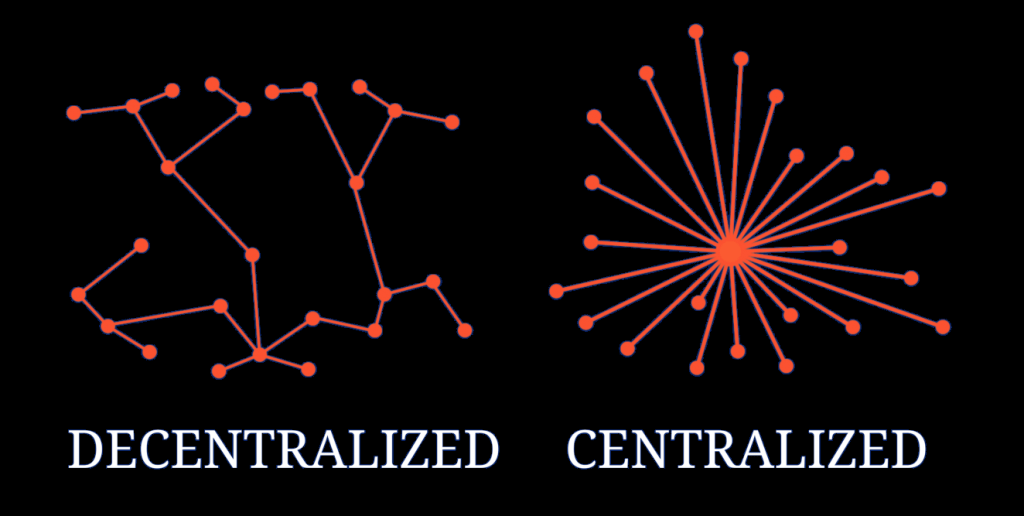
A significant aspect of modern CMDM practices is the federated approach to Master Data Management (MDM). Under a federated MDM model, the creation and curation of the customer data supports a decentralized method of data maintenance that allows different business units or departments within an organization to create and maintain their own customer data while adhering to common standards and governance policies. Such a model promotes data consistency and data quality and enables real-time data sharing and synchronization across systems like CRM, ERP and CDPs.
Key Features of Federated MDM
- Autonomy with Governance: Each department maintains its own data autonomously wherever they choose, while adhering to overarching governance policies. Such a balance allows for flexibility while ensuring compliance with organizational standards.
- Real-Time Data Sharing: Federated MDM also facilitates real-time integration across various systems, ensuring that all stakeholders have access to up-to-date information.
- Collaboration Enhancement: By providing a unified framework for data governance, federated MDM fosters collaboration among different departments, enabling informed decision-making based on consistent data.
Customer MDM as a service can serve to play a crucial role in supporting federated MDM by providing the centralized platform for data governance, quality management, and integration. Organizations that establish consistent data standards are able to do this all the while allowing individual departments to manage their own datasets effectively. A service of this nature also ensures that all stakeholders have access to accurate and up-to-date customer information, essential for the most effective decision-making and optimized customer experiences.
Benefits of Implementing CMDM
Implementing Customer Master Data Management offers numerous benefits that can significantly impact an organization’s operations:
- Data Accuracy: CMDM ensures that all customer records are accurate by employing processes such as data cleansing, enrichment, and deduplication.
- Operational Efficiency: By centralizing customer data management, organizations reduce the time spent on searching for accurate information across disparate systems.
- Enhanced Customer Insights: A unified view of customer data enables businesses to gain deeper insights into customer behavior, preferences, and trends.
- Regulatory Compliance: With stringent regulations surrounding customer data privacy and protection, CMDM helps organizations maintain compliance by ensuring that all data handling practices meet industry standards.
- Scalability: Cloud-based CMDM solutions can easily scale as an organization grows or as its needs change, allowing for greater flexibility in managing customer data.
Best Practices for Effective CMDM
To maximize the benefits of Customer Master Data Management, organizations should adhere to several best practices:
- Establish Clear Governance Policies: Define roles and responsibilities for managing customer data across the organization to ensure accountability.
- Invest in Automation Tools: Utilize automation features within CMDM platforms to streamline processes such as data synchronization and validation.
- Regularly Monitor Data Quality: Implement continuous monitoring frameworks to track the accuracy and integrity of customer data over time.
- Engage Stakeholders Across Departments: Ensure that all relevant departments are involved in the CMDM process to promote collaboration and alignment on data standards.
Customer Master Data Management as a service is an essential strategy for modern organizations looking to enhance their operational efficiency and improve customer engagement. By centralizing customer data management through cloud-based solutions businesses can ensure that they have access to accurate, consistent, and up-to-date information across all departments.
This evolution of CMDM reflects the growing importance of managing customer data effectively in an increasingly demanding operational context where digital twins and all things digital are pervasive and essential.
As organizations continue to recognize the value of high-quality customer information, adopting robust CMDM practices will be critical in driving better business outcomes and fostering long-term relationships with customers.
Several vendors in the market offer derivatives of MDM and CMDM, some of which are cloud native and some of which are on-premise. Hybrid options also exist. Organizations that have an interest in making use of customer master data management as a service will look at several factors in the selection process including features and functions, but more importantly, security and control accompanied by integration and flexibility.
A CMDM that is API enabled is given as essential, in order to provide as many integration opportunities with applications and data warehouses.




Responses